
Moving to Geneva for an International Organisation
How diplomatic-status arrivals can plan housing, registration, family logistics and daily life in Geneva.
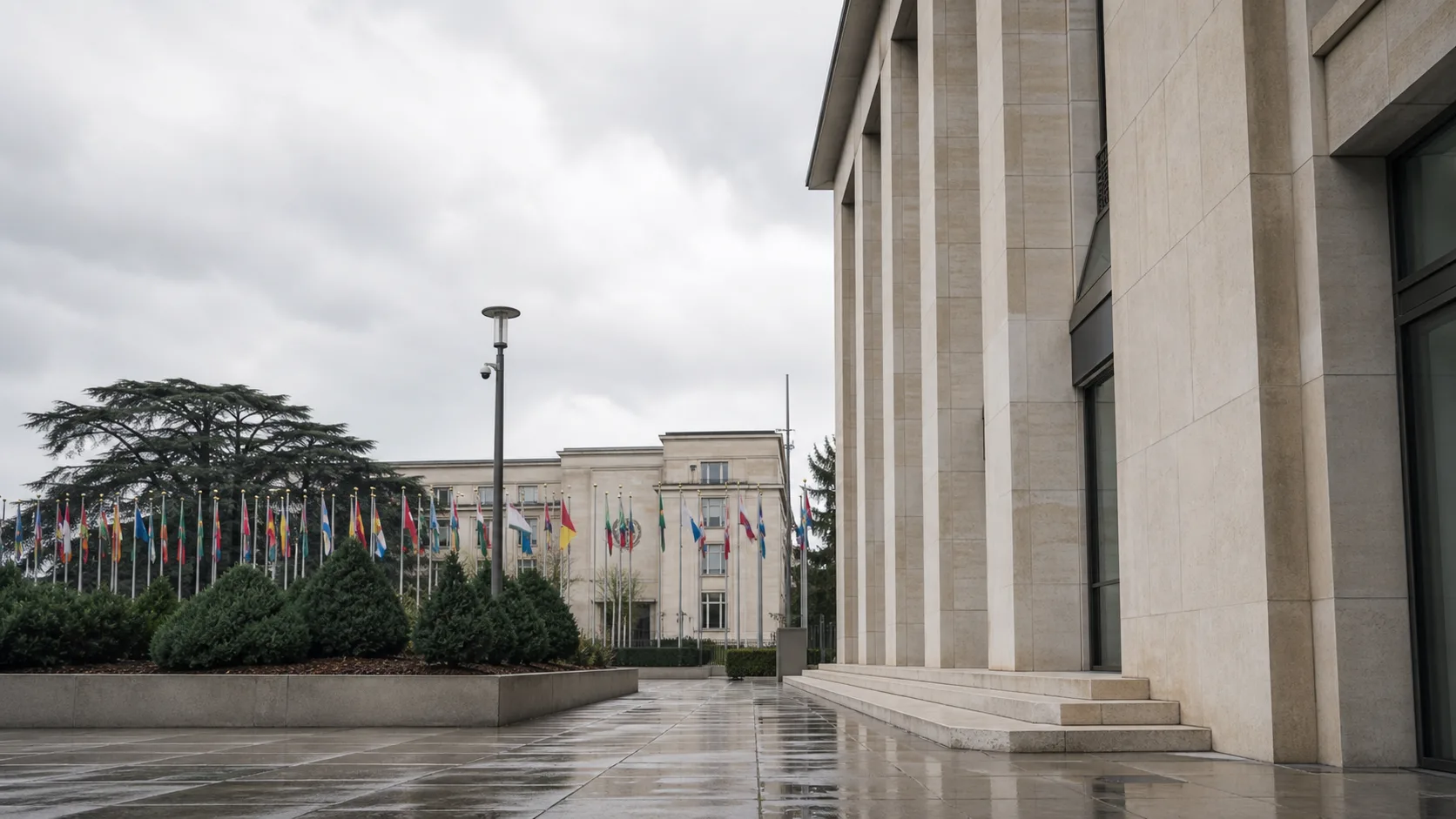
Geneva is one of the world’s most important international cities. For staff joining the UN, a permanent mission, an NGO or another international organisation, moving to Geneva often comes with a specific administrative framework, a new housing market and a family transition that must be handled carefully.
The legitimation card in Geneva is one part of that story. It may shape residence status and administrative procedures, but it does not remove the practical needs of arrival: housing, schooling, banking, insurance, local orientation and family routines.
Welcome Service supports international organisation arrivals through Legitimation Card support, Settling-In and regional expertise in Geneva.
Diplomatic status is not the same as being settled
Staff of international organisations may have a different administrative path from employees moving under a standard Swiss work permit. The legitimation card can be central to that status.
However, the practical relocation experience still needs structure. A family may understand the employment offer and administrative category, but still need to decide where to live, how children will go to school, how to open accounts, how to register locally where required and how to handle the first weeks.
The risk is assuming that diplomatic-status administration solves the relocation. It does not. It is one track within the relocation.
Housing near the international district
Many newcomers first think of living close to the international district. This can make sense, especially for staff working around Nations, Grand-Saconnex, Pregny-Chambésy or nearby institutional areas.
But housing decisions should include more than office proximity. Families should also consider:
- school location
- public transport connections
- budget and apartment size
- lake or city preference
- commute for spouse or partner
- local community
- temporary housing options
Some families choose central Geneva. Others prefer communes outside the city or even Vaud, depending on school and lifestyle needs. This is why Home Finding should be connected with schooling and settling-in from the beginning.
Schooling and family planning
Geneva offers international, private and public schooling options, but availability, language and commute can vary widely. Families arriving for an international organisation often need decisions quickly, especially when the move is linked to a fixed start date.
Schooling affects housing. A home that seems ideal may not work if the school route is too long or the transition language is wrong. For families, the school plan should be discussed before the home search becomes too narrow.
Welcome Service connects Schooling & Education with housing and settling-in so the family plan is coherent.
Administration beyond the card
Even when the legitimation card route is clear, newcomers may still need support with:
- arrival coordination
- local address setup
- bank account preparation
- household insurance or other coverage
- mobile phone and internet
- utilities
- medical contacts
- public transport
- daily orientation
Some tasks are official, others are simply practical. Both matter. A family that cannot access internet, understand local bills or find a doctor is not yet comfortably settled.
Temporary housing can reduce pressure
Geneva’s housing market is competitive, and international organisation staff often arrive with a fixed start date. Temporary accommodation can provide breathing room.
It allows the employee to begin work while the family gets to know neighbourhoods, school routes and daily routines. It also reduces the risk of signing a permanent lease too quickly.
Our Temporary Housing support can be useful when the permanent search needs more time or when the family arrives before the ideal home is available.
Useful resources
Useful resources include:
- ge.ch for Geneva administrative and cantonal information.
- Geneva international community and official organisation guidance depending on employer.
- SARA for relocation industry context.
Official guidance should always be checked for status-specific questions. Relocation support helps translate the wider arrival into a practical plan.
How Welcome Service helps
Welcome Service supports staff and families moving to Geneva for international organisations by coordinating the practical side of the move: housing, settling-in, school planning, local orientation and administrative sequencing.
Our Legitimation Card service is designed for diplomatic-status arrivals and can be combined with Settling-In and Geneva regional support.
FAQs
What is a legitimation card in Geneva?
It is connected to certain diplomatic or international organisation statuses. The exact rights and procedures depend on the person’s role and organisation.
Do international organisation staff still need settling-in support?
Yes. Status documentation does not handle housing, schools, utilities, bank accounts, local orientation or family routines.
Should we live near Nations?
It can be convenient, but school, budget, family lifestyle and commute should also guide the decision.
Is temporary housing useful?
Often yes. It gives the family time to understand Geneva before choosing a permanent home.
How can Welcome Service help?
We coordinate legitimation-card-related relocation support with housing, schooling, settling-in and Geneva-specific guidance.
A Geneva arrival checklist for international staff
Before arrival, the family should understand the expected status route, the employer’s administrative support, the likely temporary address and the school search strategy. They should also know which documents may be needed for banking, insurance, housing applications and local services.
During the first week, the priorities are practical: access to the temporary home, phone connection, bank preparation, orientation around work and school routes, and a clear list of next administrative steps. For families, this is also the moment when small details become important: where to buy groceries, how public transport works, how to contact a doctor and how to understand local waste or building rules.
During the first month, attention shifts to the permanent home search, school rhythm, insurance choices, healthcare contacts and family routines. Geneva is international, but each commune and neighbourhood has its own rhythm. The faster newcomers understand that rhythm, the faster the move feels stable.
Why local coordination matters
International organisation moves can involve several stakeholders: the employer, the employee, the family, housing providers, schools, banks, insurers and sometimes mission or protocol contacts. Without coordination, the employee can become the messenger between all of them.
A local relocation partner reduces that burden. The goal is not to replace official procedures. It is to make sure official procedures, housing decisions and family logistics move in the same direction.
For international organisations, this also protects the professional start. Staff arrive to focus on their role, not to spend the first months solving avoidable local problems.
Geneva also has a particular rhythm. The international district, the lake, nearby communes and cross-border region can all be relevant, but not every option suits every family. Local coordination helps separate what is theoretically possible from what will actually feel workable in daily life.
That distinction is important for senior staff, dual-career families and households arriving with children. The right plan is rarely the most visible one; it is the one that makes the first six months calm enough for everyone to settle.
CTA
Coordinate your Geneva diplomatic-status arrival with Welcome Service. We connect Legitimation Card support with home search, school planning and settling-in so the move is practical, discreet and well sequenced.
Discuss Your Visa Strategy.
Our partners are available to discuss your specific situation with absolute confidentiality.