
Whether you're relocating with your own vehicle or planning to buy once you arrive, getting on the road in Switzerland involves a series of administrative steps: exchanging your driving licence, registering your car with the cantonal authorities, and arranging Swiss insurance. The requirements vary depending on your nationality, how long you've owned your vehicle, and where you're moving from, so it's worth understanding the process early. This chapter walks you through everything from licence exchange and vehicle import to registration, insurance, and the rules of the road — including practical alternatives like leasing or car sharing if you'd rather skip ownership altogether.
Bringing Your Car to Switzerland
Importing your own vehicle can be a practical and cost-effective option, particularly if you are planning a long-term stay in Switzerland. Before making this decision, however, it is important to understand the customs requirements, applicable taxes and registration procedures.
In general, a vehicle that has been owned and used by you for at least six months prior to your relocation and is imported as part of your household effects may qualify for duty-free importation.
If the vehicle has been owned for less than six months, customs duties, Swiss VAT and other import-related charges may apply.
💡 Good to Know
Importing a vehicle is not always the most economical solution, particularly for short-term assignments or relocations from outside Europe. Depending on your circumstances, purchasing or leasing a vehicle in Switzerland may prove to be a simpler and more cost-effective alternative. Your Welcome Service consultant will be pleased to discuss the options best suited to your situation.
Customs Clearance
Your vehicle must be declared to Swiss Customs when entering Switzerland.
Whenever possible, we recommend importing your vehicle together with your household effects or asking your international removal company to coordinate the customs formalities on your behalf. This generally simplifies the process and reduces the risk of delays.
The documents typically required include:
- Inventory of household effects including the vehicle (Form 18.44)
- Valid passport or national identity card
- Swiss residence permit, visa or proof of relocation (where applicable)
- Original foreign vehicle registration certificate
- Proof of ownership
- Proof of your Swiss address (such as a lease agreement)
- Any additional documentation requested by Swiss Customs
Following customs clearance, Swiss Customs will issue the documents required for the registration of your vehicle in Switzerland.
Important
A vehicle imported duty-free as part of your household effects may generally not be sold, transferred or given away during the first 12 months following importation without prior authorisation from Swiss Customs and payment of any applicable duties and taxes.
Registering Your Vehicle
Once you have established your residence in Switzerland, your vehicle must be registered with the cantonal Vehicle Registration Office.
Foreign licence plates may generally be used for up to 12 months following your official arrival in Switzerland, provided the vehicle has been correctly imported and remains covered by valid insurance.
We recommend starting the registration process well before this deadline, allowing sufficient time for the technical inspection and any modifications that may be required.
Registration Process
Before your vehicle can be registered, you will generally need:
- Swiss motor liability insurance
- Customs clearance documents
- Original foreign registration certificate
- Certificate of Conformity (where applicable)
- Swiss residence permit
- Technical inspection (if required)
Depending on the vehicle's origin, age and specifications, additional inspections or supporting documentation may be requested by the cantonal authorities.
Tip
Many authorised garages offer a complete registration service, including preparation for the technical inspection, coordination with the cantonal authorities and completion of the registration formalities. This can significantly simplify the process for newcomers.
Your Welcome Service consultant can also assist you throughout the importation and registration process and recommend trusted local service providers where required.
Motor Vehicle Insurance
Before a vehicle can be registered in Switzerland, it must be insured with a Swiss insurance company.
Swiss insurers generally offer three levels of cover:
- Third-Party Liability Insurance (mandatory)
- Partial Comprehensive Insurance
- Fully Comprehensive Insurance
Premiums vary according to factors such as the vehicle, driver's age and experience, annual mileage, deductible and claims history.
If you previously insured your vehicle abroad, requesting a no-claims certificate from your former insurer may help reduce your Swiss insurance premium.
For any questions, refer to our chatper on Insurances.
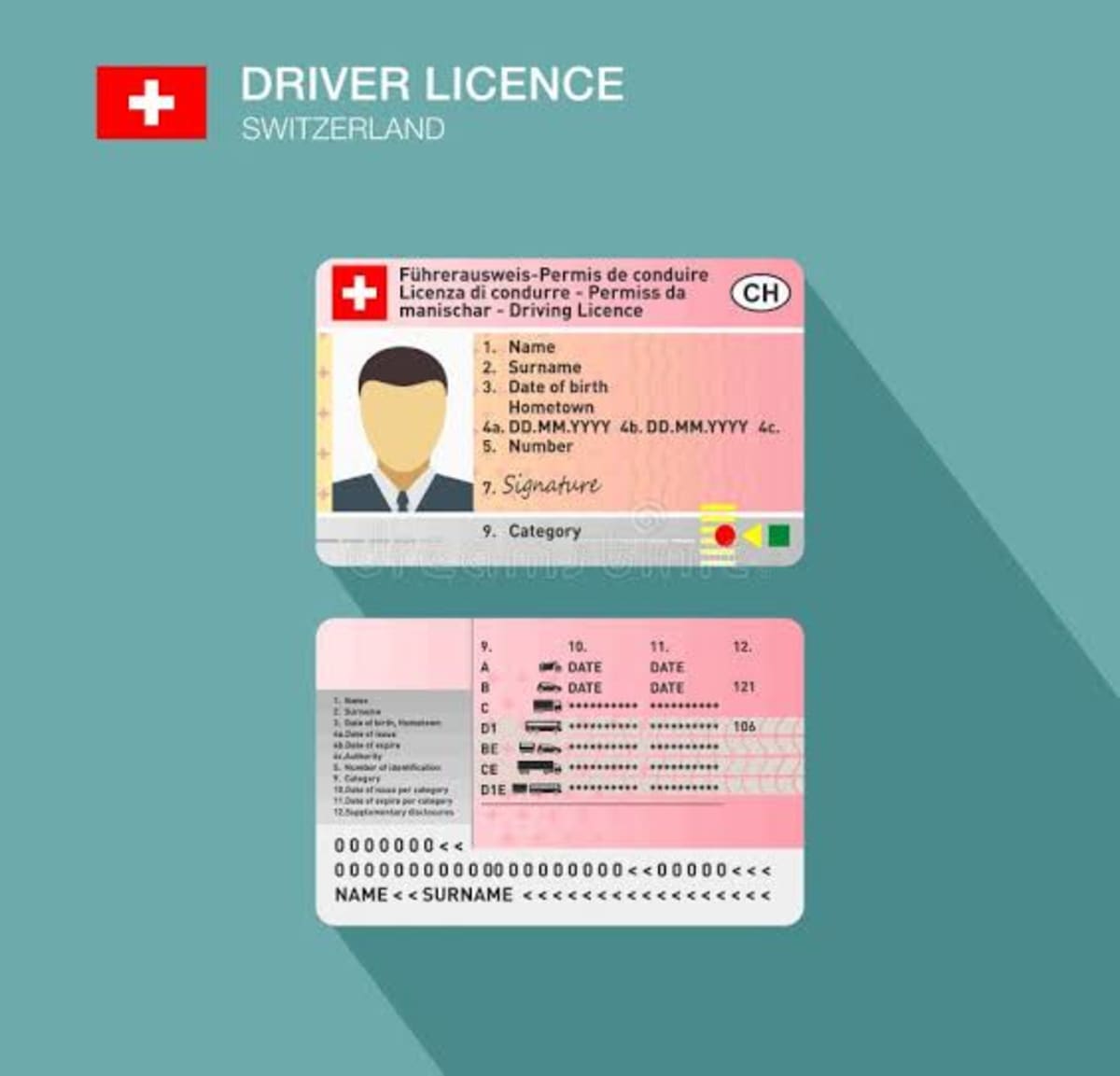
Swiss Driving Licence
Foreign driving licences are recognised for 12 months after establishing residence in Switzerland.
Before this period expires, most residents are required to exchange their foreign licence for a Swiss driving licence. Depending on the country that issued your original licence, you may simply exchange it, or you may be required to complete a practical driving test.
Procedure for exchange
- Complete the Application form - select category B for car and A for motorbikes.
- Print the form and go to an optician for an eyesight examination - List of approved opticians
- Go in person to the OCV with the following documents : completed application form + original foreign driving licence + ID for Swiss citizens or Swiss residence permit for foreigners + 1-color passport type photograh
- You will be asked to pay CHF 150.- on site
Important Information
Depending on the country of issue, your original foreign driver’s license will either be returned to you but with «invalid in Switzerland» stamped on it or will be returned to the administration which delivered the license.
Please note that the date of issue written on your original driver’s license will be considered as the date you first took your driving test. Should this date be less than 1 year, you will be considered as a new driver and will receive a probationary driver’s license for a period going from 1 to 3 years depending on the date you obtained your original license.
Driver’s licenses which do not conform to the standard Latin alphabet (e.g., Chinese, or Arab alphabets) must be officially translated into either German, French, Italian or English.
Your Welcome Service consultant will advise you on the specific requirements applicable to your nationality.
Motor Vehicle Registration Office
Office cantonal des véhicules (OCV)
Route de Veyrier 86, 1227 Carouge
Phone: +41 22 388 30 30 (Mon 9:00–12:00, Tue–Fri 8:30–12:00)
Email: vehicules@etat.ge.ch
Opening hours (in-person): Mon 9:00–16:00, Tue–Fri 7:30–16:00
More information : https://www.ge.ch/dossier/vehicules-conducteurs
Driving in Switzerland
Switzerland maintains an excellent road network and places great importance on road safety. While driving conditions are generally very good, motorists are expected to comply strictly with traffic regulations.
Some key points to remember include:
- Vehicles drive on the right-hand side of the road.
- Seat belts are mandatory for all occupants.
- Children must be transported using age-appropriate child restraint systems.
- Using a handheld mobile phone while driving is prohibited.
- Pedestrians and public transport vehicles enjoy priority in many situations.
- Speed limits and parking regulations are strictly enforced.
Typical speed limits are:
- 120 km/h on motorways
- 100 km/h on expressways
- 80 km/h on secondary roads
- 50 km/h in urban areas
- 30 km/h in many residential neighbourhoods
Traffic fines are significant and are rigorously enforced throughout Switzerland.
Motorway Vignette
A motorway vignette is required for all vehicles travelling on Swiss motorways.
Motorists may choose between:
- the traditional adhesive vignette displayed on the windscreen; or
- the digital vignette linked electronically to the vehicle's licence plate.
The vignette is valid for one calendar year and can be purchased online, at border crossings, post offices, petrol stations and many retail outlets.
Winter Driving
Winter weather conditions vary considerably across Switzerland, particularly in mountainous regions.
Although winter tyres are not legally mandatory nationwide, drivers are responsible for ensuring that their vehicle is suitable for the prevailing road conditions. In the event of an accident caused by inappropriate equipment, insurance benefits may be reduced and the driver may be held liable.
If you regularly travel in alpine regions or neighbouring countries, carrying snow chains during winter is strongly recommended and may, in certain situations, be mandatory.
Electric Vehicles
Switzerland has one of Europe's most extensive electric vehicle charging networks.
Public charging stations are widely available throughout the country, and many residential buildings now offer charging facilities or can arrange installation for residents. Numerous mobile applications allow drivers to locate charging stations and monitor availability in real time.
Parking
You can find the following options
Public Parking lots (often underground)
- There are many paid parking lots
- Price : approx. CHF 2.- to CHF 5.- / hour
- Some parking lots offer monthly pass
- Some parking lots are open 24/7
- More information : click here
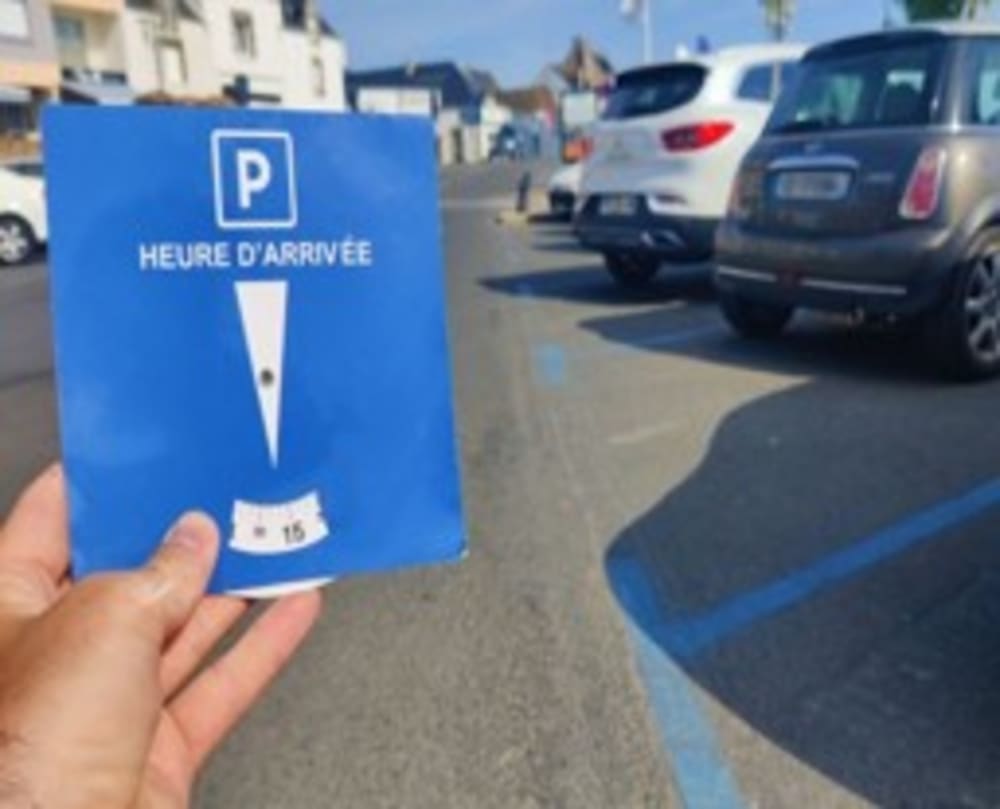
Blue spaces
- Reserved for residents or short-term visitors
- Free but time limited : maximum 1 hour, between 8am and 7pm
- You must use a blue parking disc
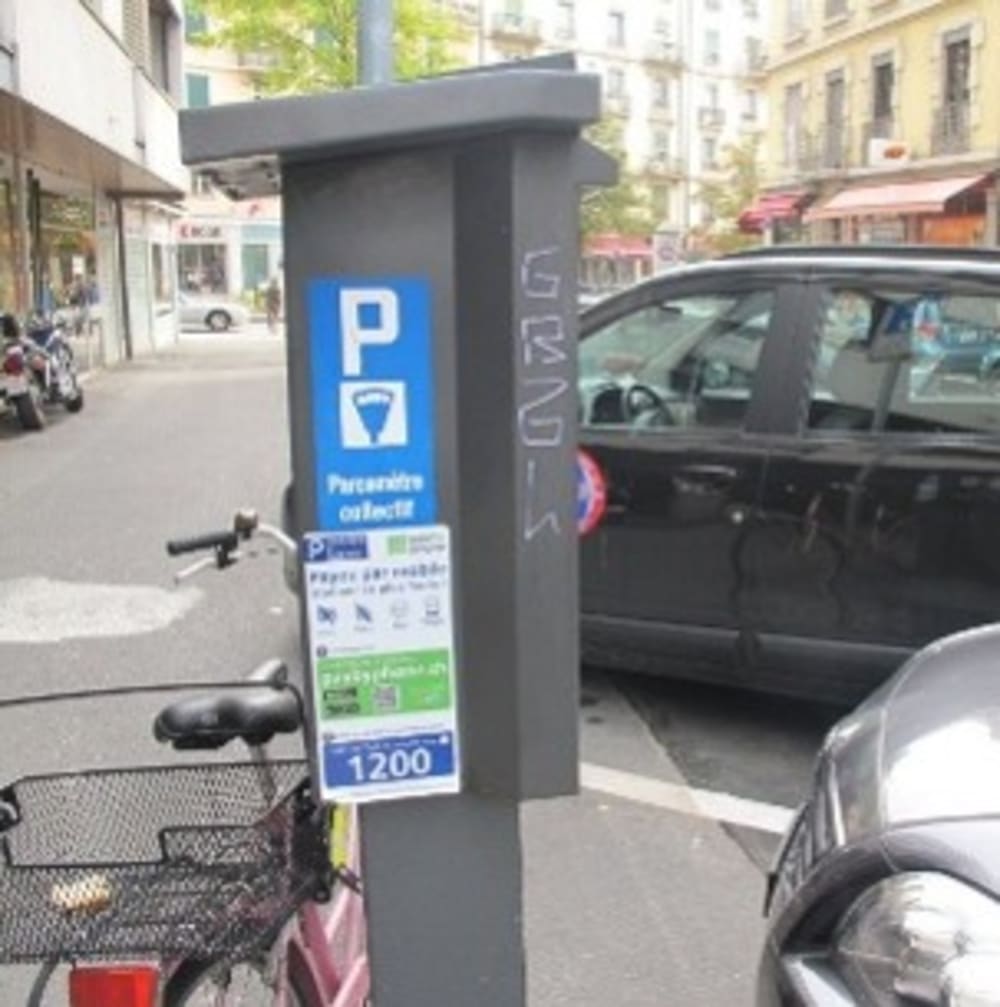
White spaces
- Paid parking spaces (public parking with time limit)
- To pay at the parking meter or via mobile app
- Rate and maximum duration vary depending on area
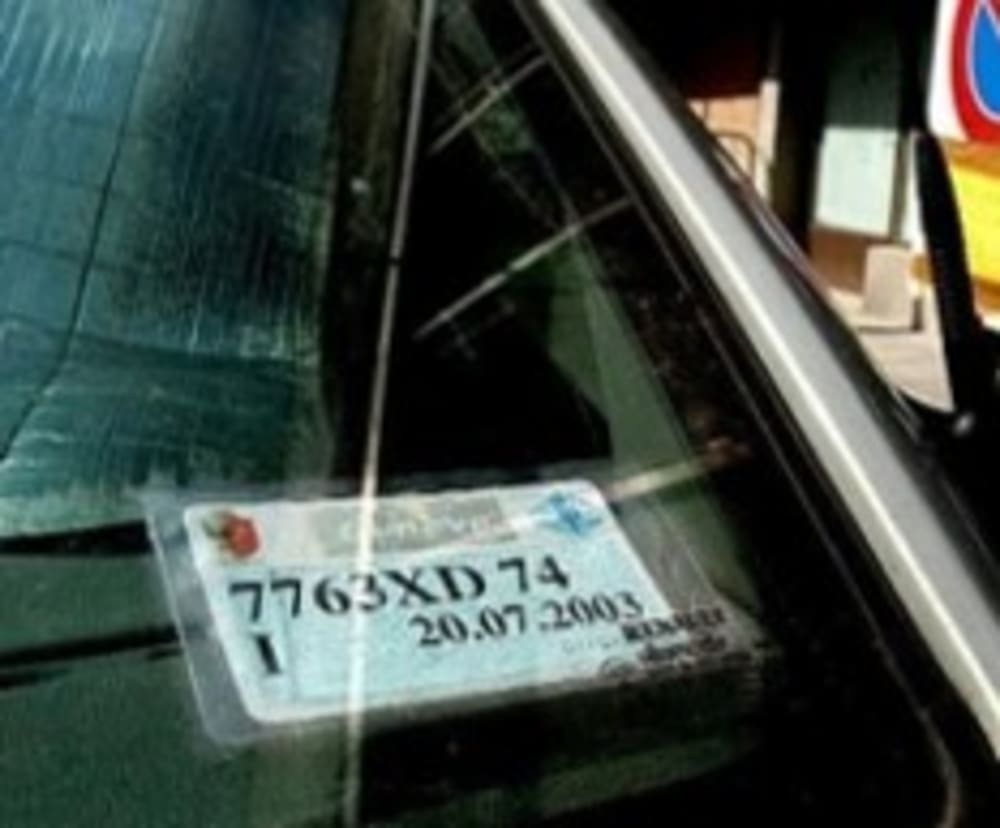
Yearly Macaron Resident
- Reserved for permanent residents
- Ability to park for an unlimited amount of time in blue spaces of the area
- Cost : CHF 200.- per year
- To apply : click here
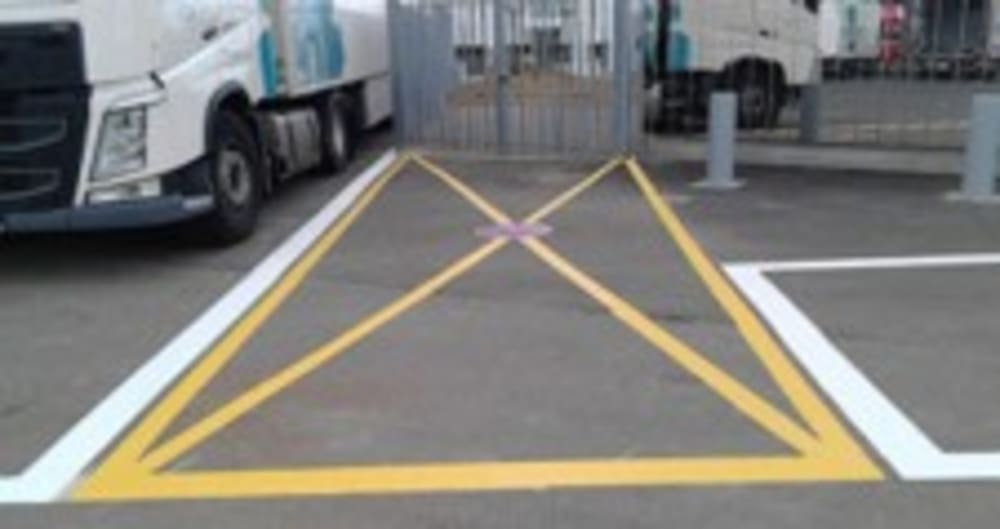
Delivery spaces
- Marked "Delivery" or with a specific sign
- Reserved for delivery vehicles - parking is prohibited
- Will get a fine
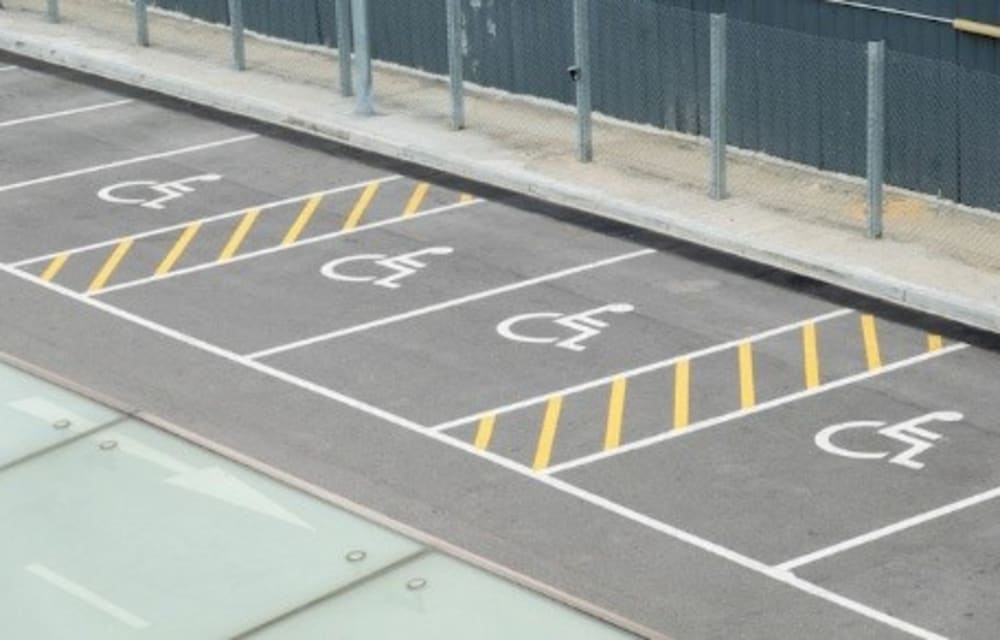
Disabled spaces
- Reserved for holder of a disabled parking permit (valid through Switzerland and EU)
- Severe fines for unauthorised parking
Many municipalities support mobile payment solutions such as EasyPark, ParkingPay or other local parking applications, allowing motorists to pay and extend parking sessions directly from their smartphone.
Residents living in controlled parking areas may be eligible to apply for a residential parking permit, subject to local regulations.
Buying or Leasing a Vehicle
Switzerland offers an excellent selection of both new and pre-owned vehicles.
Second-hand vehicles are generally well maintained and often benefit from a full service history. Leasing is also a popular option, particularly for long-term residents wishing to spread the cost of a new vehicle.
Whether purchasing or leasing, we recommend comparing insurance premiums and annual running costs before making a decision.
Our partner
Autociel
Route de la Conversion 261, 1093 La Conversion
+41 (0)21 796 37 37
info@autociel.ch
Car Sharing
Thanks to Switzerland's excellent public transportation system, many residents choose not to own a vehicle.
For occasional journeys, Mobility operates one of Europe's largest car-sharing networks, offering thousands of self-service vehicles located throughout the country.
Vehicles can be reserved online or via the mobile application and are available around the clock, making car sharing an economical and environmentally friendly alternative to vehicle ownership.