History
Switzerland's origins date back to 1291, when the three founding cantons of Uri, Schwyz and Unterwalden formed an alliance for mutual defence. Over the centuries, additional cantons joined the Confederation, and in 1848 Switzerland adopted its Federal Constitution, establishing the modern federal state.
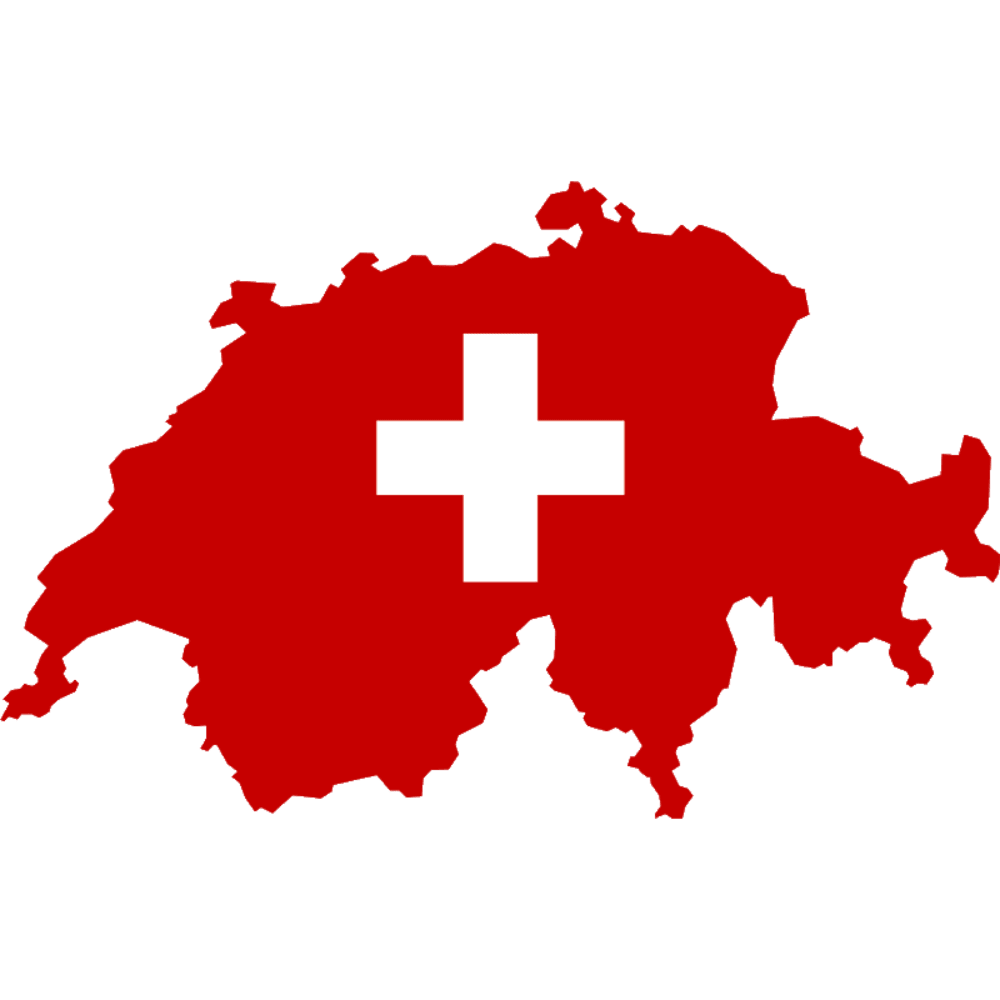
Today, Switzerland consists of 26 cantons, each enjoying a high degree of autonomy with its own government, parliament and legislation. While many responsibilities are exercised at cantonal level, the Federal Government oversees matters of national importance such as foreign affairs, defence and monetary policy.
Switzerland is internationally recognised for its political stability, neutrality and system of direct democracy, allowing citizens to vote regularly on national, cantonal and municipal matters.
Geography
Located in the heart of Europe, Switzerland shares borders with France, Germany, Austria, Liechtenstein and Italy.
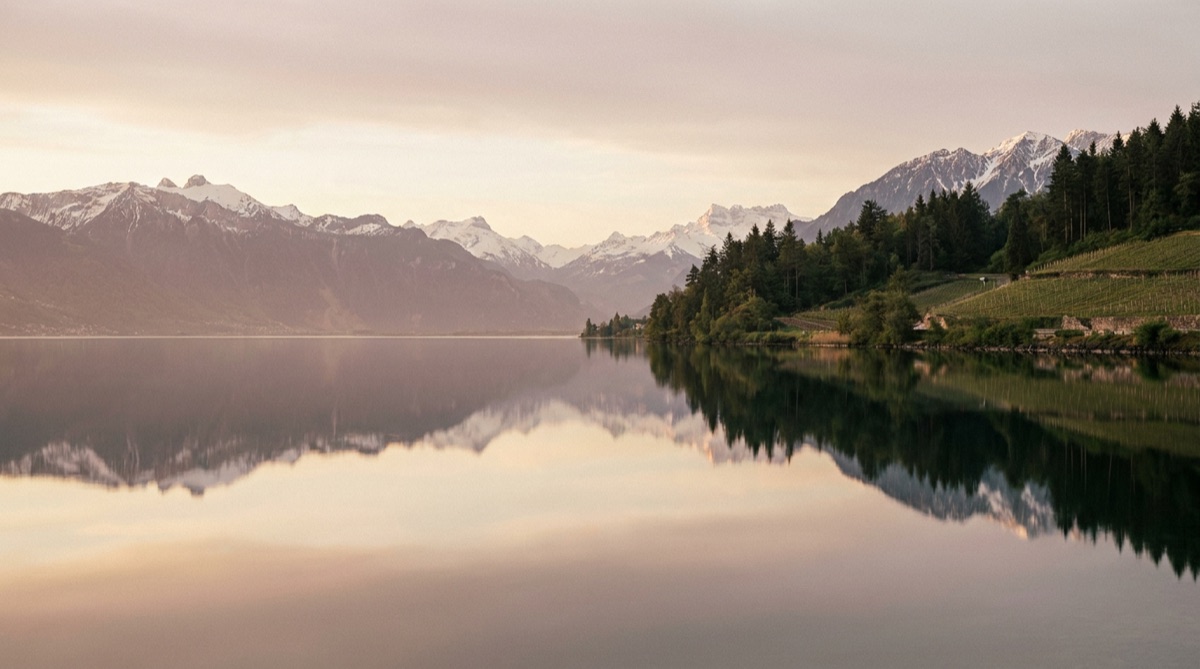
Although relatively small, covering approximately 41,300 km², the country offers remarkable geographical diversity. Snow-capped Alpine peaks, rolling hills, lakes, vineyards and vibrant cities can all be reached within just a few hours.
Switzerland is traditionally divided into three main geographical regions:
- The Alps, covering approximately 60% of the country
- The Swiss Plateau, where most of the population and economic activity are concentrated
- The Jura Mountains, located along the north-western border with France
The country's central location and excellent transportation network make both domestic and international travel particularly convenient.
Climate
Switzerland enjoys a generally temperate climate, although weather conditions vary considerably according to altitude and region.
The Swiss Plateau experiences four distinct seasons, while Alpine areas benefit from colder winters and cooler summers. Weather conditions can change rapidly in mountainous regions, particularly at higher elevations.
Thanks to its varied geography, Switzerland offers year-round outdoor activities including hiking, cycling, skiing and water sports.
For up-to-date weather forecasts, we recommend the MeteoSwiss mobile application or the official website of the Federal Office of Meteorology and Climatology.
Languages
Switzerland has four national languages:
- German (approximately 62%)
- French (approximately 23%)
- Italian (approximately 8%)
- Romansh (less than 1%)
The official language depends on the canton of residence.
French is spoken throughout Western Switzerland, including the cantons of Geneva, Vaud, Neuchâtel and Jura. German is the predominant language in most other cantons, while Italian is spoken in Ticino and parts of Graubünden. Romansh is spoken in certain areas of the Canton of Graubünden.
English is widely spoken in international companies and is commonly understood in major cities and business centres, although learning some of the local language will greatly facilitate everyday life and integration.
Religion
Switzerland is a culturally and religiously diverse country with a long tradition of freedom of religion.
Historically, Christianity has been the predominant religion, with Roman Catholic and Protestant communities represented throughout the country. Today, Switzerland is home to a wide variety of religious communities, while an increasing proportion of the population identifies with no religious affiliation.
Religious diversity is well integrated into Swiss society, reflecting the country's multicultural population and international outlook.