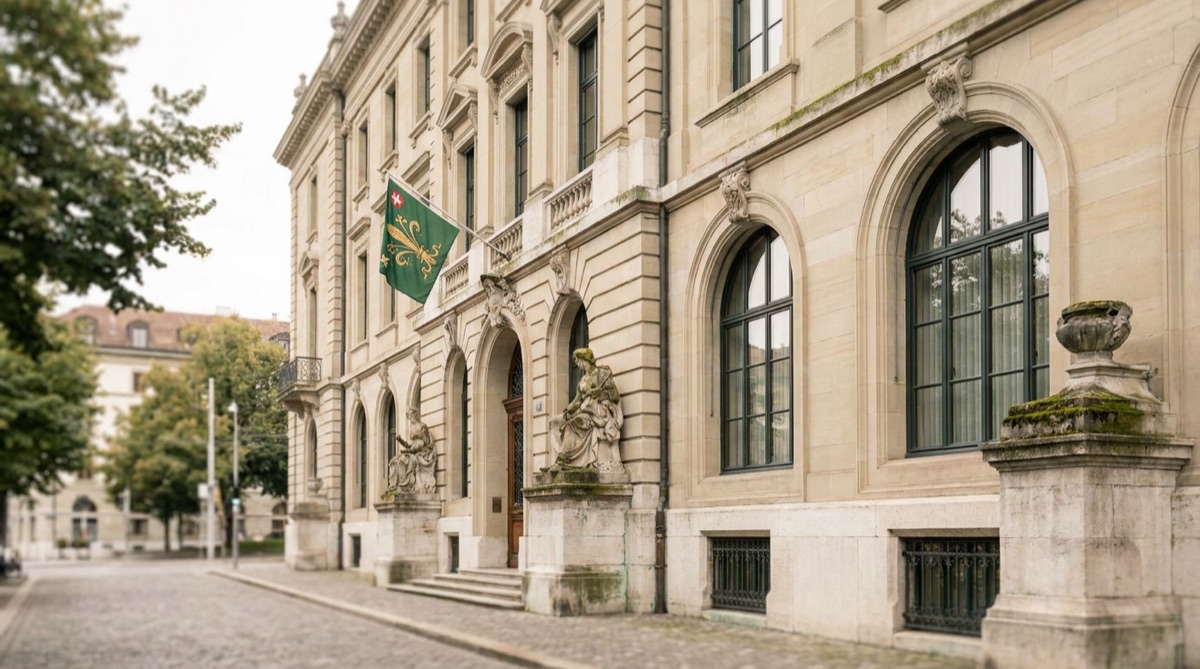

Switzerland is internationally recognised for the quality of its healthcare system, which combines highly qualified medical professionals, modern facilities and excellent standards of care.
Healthcare is accessible throughout the country, with a wide network of hospitals, clinics, medical centres and pharmacies. Most healthcare providers speak several languages, particularly in larger cities and international regions.
If you are relocating to Switzerland, we recommend bringing copies of your family's medical records, prescriptions and vaccination certificates, as these may be useful when registering with a new doctor or specialist.
Certain nationalities may be required to undergo a medical examination as part of their immigration process. If applicable, your Welcome Service consultant will guide you through the necessary steps.
Health Insurance
Health insurance is compulsory for everyone residing in Switzerland, regardless of nationality. You must generally arrange your compulsory health insurance (LAMal/KVG) within three months of your official arrival. Coverage is applied retroactively from your date of residence, ensuring that you are insured from the beginning of your stay.
Compulsory health insurance covers most essential medical services, including consultations with general practitioners and specialists, prescribed medication, hospital treatment in your canton of residence, maternity care, emergency treatment and many preventive healthcare services. Most residents also choose to purchase supplementary insurance to benefit from additional services such as private or semi-private hospital accommodation, dental care, alternative medicine, optical care or extended medical coverage abroad.
Annual Deductible (Franchise)
When taking out your health insurance, you must choose an annual deductible ("franchise"), which represents the amount you pay towards your medical expenses each calendar year before your insurance starts reimbursing costs.
For adults, the deductible ranges from CHF 300 to CHF 2,500. Children are not required to have a deductible, although optional deductibles of up to CHF 600 may be selected to reduce premiums.
Once your annual deductible has been reached, you generally contribute 10% of further eligible medical costs (known as the co-payment or quote-part), up to a maximum of:
- CHF 700 per year for adults
- CHF 350 per year for children
Certain healthcare services, such as maternity care, are exempt from these cost-sharing rules.
Accident Insurance
Accident insurance is separate from compulsory health insurance.
If you work at least eight hours per week for the same employer, you are generally covered by your employer's accident insurance for both occupational and non-occupational accidents. In this case, the accident coverage included in your health insurance should normally be removed, resulting in a lower monthly premium.
Individuals who are self-employed, unemployed or work fewer than eight hours per week for the same employer must generally include accident coverage within their compulsory health insurance policy.
Exemption from Swiss Health Insurance
Although compulsory Swiss health insurance applies to most residents, certain individuals may qualify for an exemption. This may include some expatriates seconded to Switzerland, employees of international organisations, diplomats and certain frontier workers (G Permit holders) covered by recognised foreign health insurance schemes.
As exemption rules depend on your nationality, country of residence and employment status, each application is assessed individually by the competent cantonal authority. Requests must generally be submitted within three months of becoming subject to Swiss health insurance.
Doctors
Depending on the type of health insurance you choose, you may either consult the doctor of your choice or first contact your designated family doctor, telemedicine service or healthcare network.
Appointments are generally required, except in emergencies or at walk-in medical centres.
Medical invoices may either be sent directly to your health insurance company or to your home, depending on the billing system used by your healthcare provider and insurer. When you receive the invoice yourself, it must first be paid before reimbursement is made by your health insurance company, subject to your deductible and co-payment.
💡 Tip

Looking for a doctor? OneDoc is Switzerland's leading online appointment platform, allowing you to search for general practitioners, specialists and dentists by location, specialty, spoken languages and availability. Appointments can be booked online in just a few clicks.
Website: www.onedoc.ch
Pharmacies
Pharmacies ("Apotheken" / "Pharmacies" / "Farmacie") are widely available throughout Switzerland and play an important role within the healthcare system.
In addition to dispensing prescription medication, pharmacists can often provide advice for minor illnesses and, depending on the canton, offer certain healthcare services such as vaccinations or basic health assessments.
Outside normal opening hours, emergency pharmacies operate on a rotating basis.
Your Welcome Service consultant can provide information on the nearest pharmacy and emergency services in your area.
Hospitals & Emergency Care
Switzerland offers an extensive network of public hospitals, university hospitals, private clinics and specialised medical centres.
The choice of hospital may depend on your health insurance coverage, the type of treatment required and the medical facility's availability.
For life-threatening emergencies, dial 144, the national emergency medical number, available throughout Switzerland.
Emergency departments operate 24 hours a day, while many regions also offer walk-in medical centres for urgent, non-life-threatening conditions.

Medigo - Swiss healthcare navigation app that helps users find the most appropriate urgent care service by showing real-time occupancy levels, estimated waiting times, and nearby medical options for non-life-threatening emergencies
Main Hospitals & Clinics
Geneva offers an excellent healthcare network combining a world-renowned university hospital with several highly regarded private hospitals and specialist clinics.
Public Hospital
Hôpitaux Universitaires de Genève (HUG) – Geneva's university hospital and the canton's principal public healthcare institution, providing comprehensive medical services, specialist care and a 24-hour emergency department.
Private Hospitals
Hôpital de La Tour – One of Switzerland's leading private hospitals, offering multidisciplinary care and a 24-hour emergency department.
Clinique Générale-Beaulieu – Renowned for maternity services, oncology, surgery and specialist medical care.
Hirslanden Clinique des Grangettes – Highly regarded for maternity, paediatrics and specialist medical services.
Hirslanden Clinique La Colline – Specialises in orthopaedics, sports medicine, rehabilitation and surgery.
Many healthcare professionals in Geneva routinely consult in English and other foreign languages.